• Home
  • Recipes
    • Vegetarian
    • Seafood
    • Snacks
    • Chicken
    • Mutton
    • Egg
    • Roti & Parathas
    • Dessert
    • Sides
    • Soups
    • Salad & Bowls
    • Rice
    • Daal
    • Bakes
    • Roasted
    • Beverages
    • Sauces, Spices & Curry Base
    • Chutney & Dips
    • Festive Recipes
  • Cuisine
    • Bengali
    • Maharashtrian
    • Rajasthan
    • Punjab
    • Chennai
    • Andhra
    • Mangalore
    • Mughlai
    • Kashmiri
    • Chinese
    • Singapore
    • Mexican
    • Continental
    • Italian
    • French
    • American
    • Thai
    • Bangladeshi
    • Arab & Persia
    • North East
  • Meal Type
    • Breakfast
    • Lunch
    • Dinner
    • Snacks
    • Dessert
    • Appetizer
    • Accompaniments
  • How To
    • Preservation Techniques
  • Travel
    • East India
    • West India
    • North India
    • South India
    • Asia
    • America
  • Lifestyle
    • Craft & Creation
    • Experiences
  • Musing
  • Contact
  • Bengali Blogs

Curries & Stories

pinterest facebook twitter instagram tumblr linkedin
Moments from my travels - 1. Forest in Meghalaya 2. An old boat in Shnongpdeng 3. Fish Mint 4. Local Cinnamon 

Traveling has always been a passion of mine, but my approach to it has evolved significantly over the years. Initially, my travels were all about ticking off famous landmarks and indulging in simple, familiar meals. However, as I began to embrace the concept of slow travel, my perspective shifted dramatically and I understood how essential Slow travel is.


Slow travel is about immersing oneself in the essence of a place, rather than just skimming its surface. It’s about taking the time to enjoy a destination, interact with local people, and understand the nuances of their culture. This approach has allowed me to form deeper connections with the places I visit, creating a personal bond that draws me back time and again.


One of the most profound changes in my travel experience has been my relationship with food during travel. I used to view food merely as sustenance, something to keep me going as I travelled to any new place. But now, I see it as a language and a history in itself. Each dish tells a story, reflecting the region’s heritage, traditions, and way of life.


Experiencing local food has become a highlight of my travels. I seek out local markets, where I can see and taste the produce and spices that define the region’s cuisine. I enjoy meals at family-run restaurants, where recipes have been passed down through generations. These experiences have taught me that local food is not just about taste; it’s about the people who prepare it, the ingredients they use, and the cultural and historical significance behind each dish.


Interacting with locals has also enriched my travel experiences. Conversations with residents have provided insights into their daily lives, their challenges, and their joys. These interactions have helped me understand the uniqueness of each place, beyond what any guidebook could offer.


This deeper connection with the places I visit has instilled in me an urge to return, to explore further, and to experience the region in its entirety. Each visit feels like peeling back another layer, revealing more of the destination’s true character.


Spice2Nuts Online Store

If I were to credit someone for changing my perspective on travel and food during travel, it would undoubtedly be Mr. Harish Bali, a popular YouTuber who runs the channel Visa2explore. His focus on unique travel stories and local culinary experiences across India has opened my eyes to some of the hidden gems of India's diverse culinary and cultural traditions. Harish Bali is perhaps one of the few Indian travel vloggers who delves deeply into regional food and spices during his travels.


For instance, I learned about fish mint or ja mardoh (picture above) from Meghalaya, a herb with a distinct fishy smell, thanks to his videos. Similarly, I discovered that Jakhiya seeds are used for tempering almost all types of vegetables and curries in the Garhwal region through his explorations. And the list of such fascinating insights goes on.


Thus I was overjoyed when I recently came to know that after a successful 8 year YouTube journey, Mr Bali is planning to take his passion a step further by offering something special to his subscribers by bringing us “Spices from the places of their origin”.


His new venture, Spice2Nuts (Link : https://spice2nuts.com/) , aims to bring some of the finest, top-grade spices to his audience at very competitive prices. . These are not just the common spices you find on grocery store shelves but are sourced from the regions that produce the best variants of these indigenous spices.


The online shop will have some unique spices which are not found widely in retail stores. One of them is Kala Jeera. Don’t yet conclude that it’s a common spice because this is not your everyday Kala jeera/ Shahjeera or Kalonji that you might find through a quick Google search. This particular Kala Jeera is grown in the high-altitude regions of the Himalayas, specifically the Lahaul and Pangi valleys. It has a distinct, slightly bitter flavor and is often used in curries, bread, and pickles. Unlike the typical Shahjeera or Kalonji, which is tempered in oil, this Kala Jeera would lose its aroma if tempered in oil. Himachali Kala Zeera is used in mixed spices, flavoring curries, soups, sausages, bread, cakes, pickles, and chutneys. It can also be used to make tea or added to smoothies for extra flavor. The seeds can be roasted and used as a topping for salads or yogurt. Rich in antioxidants and anti-inflammatory properties, it is also believed to have anti-cancer properties and can aid in weight loss..  Do you know what is even more interesting about this spice? The Government of Himachal Pradesh has registered the Himachali Kala Jeera under the GI (Geographical Indication) Act 1999 and the spice has a GI tag now. And the best part? You don’t need to travel to Himachal to enjoy this spice, as Spice2Nuts is making it available right at your fingertips!


Another example is Kerala spices. Kerala's spice trade dates back to the 3rd millennium BCE. The Malabar Coast of Kerala was a meeting point for Arabs, Chinese, and European powers, and the spices of Kerala were highly sought after. The warm, humid climate of central Kerala, combined with the loamy soil rich in organic matter and reasonable rainfall, contributes to the production of the best quality cardamom, clove, and black pepper in India. When I visited Kerala, I brought back boxes of local cardamom and black pepper, which added a luscious flavor to my biryanis and curries. Spice2Nuts will offer these beautiful Kerala spices online, ensuring that people can get the highest grade of these spices, often reserved for international exports, right at their doorstep.


One of the most sought-after spices Mr. Bali plans to offer is saffron. Followers of his YouTube channel would know that he explored saffron in the Pampore region during his Kashmir travels. Pampore Kashmiri Kesar, sourced from the fertile fields of Pampore in Kashmir—often referred to as the "Saffron Town"—is renowned for its exceptional quality. Cultivated with meticulous care, this saffron is a cornerstone of Kashmiri agriculture and a symbol of cultural pride. While it’s one of the most iconic spices of Kashmir, tourists often hesitate to buy saffron from just any shop in Kashmir, fearing they might get duped. I had the same concern when I stopped at Pampore to buy kesar. That is why Mr. Bali is putting a lot of effort into identifying the right source to guarantee the authenticity of the saffron you will find at Spice2Nuts. Original saffron, which he plans to sell, has a distinct, slightly bitter taste. When dipped in water, it releases its rich colour in just a few hours, and after 8 to 10 hours, if you rub it between your fingers, it should fade away. This is a natural characteristic of high-quality saffron, distinguishing it from the cheaper, diluted versions found in the market.


And this is just the beginning. Knowing Mr. Bali, he will go to great lengths to bring even more unique and lesser-known spices hidden in India's diverse culinary culture through his Spice2Nuts endeavor. His love for India's spice heritage and his understanding of the challenges people face in procuring authentic region-specific spices in an era of common adulteration drive this venture. He aims to solve this problem by offering a transparent and reliable way to purchase spices directly from their place of origin. The key driving factor for this venture is the experience of buying spices that come straight from the regions known for producing them, ensuring they are fresh, pure, and of the highest quality.


I believe this initiative by one of our most beloved YouTubers is not only a boon to his subscribers but also to expats and people living away from their hometowns, like me, who will benefit greatly as they no longer need to carry back their cherished hometown spices. Harish Bali’s new spice venture, Spice2Nuts, is not just about selling products but about offering an authentic culinary experience. His vision of promoting Indian culture and cuisine is being realized through Spice2Nuts, making it the perfect way to bring these experiences to life while supporting local farmers and showcasing the true value of high-quality spices.


As I was saying in the beginning, slow travel has transformed my journeys from mere sightseeing to meaningful experiences. It has taught me to appreciate the depth and richness of each place, to savour its food, and to cherish the bonds formed with its people. This approach has not only made my travels more fulfilling but has also left me with a lasting desire to revisit and fully experience the regions I have come to love.


And the person who literally made me re-think about the way I used to look at my travels is now going to add a new dimension to all our travel memories by bringing the flavors of places to our plates so that we can re-live some of our best culinary moments from our cherished travels.


A few snapshots from my second visit to Bhutan - Paro's Kaja Throm


Share
Tweet
Share
2 comments

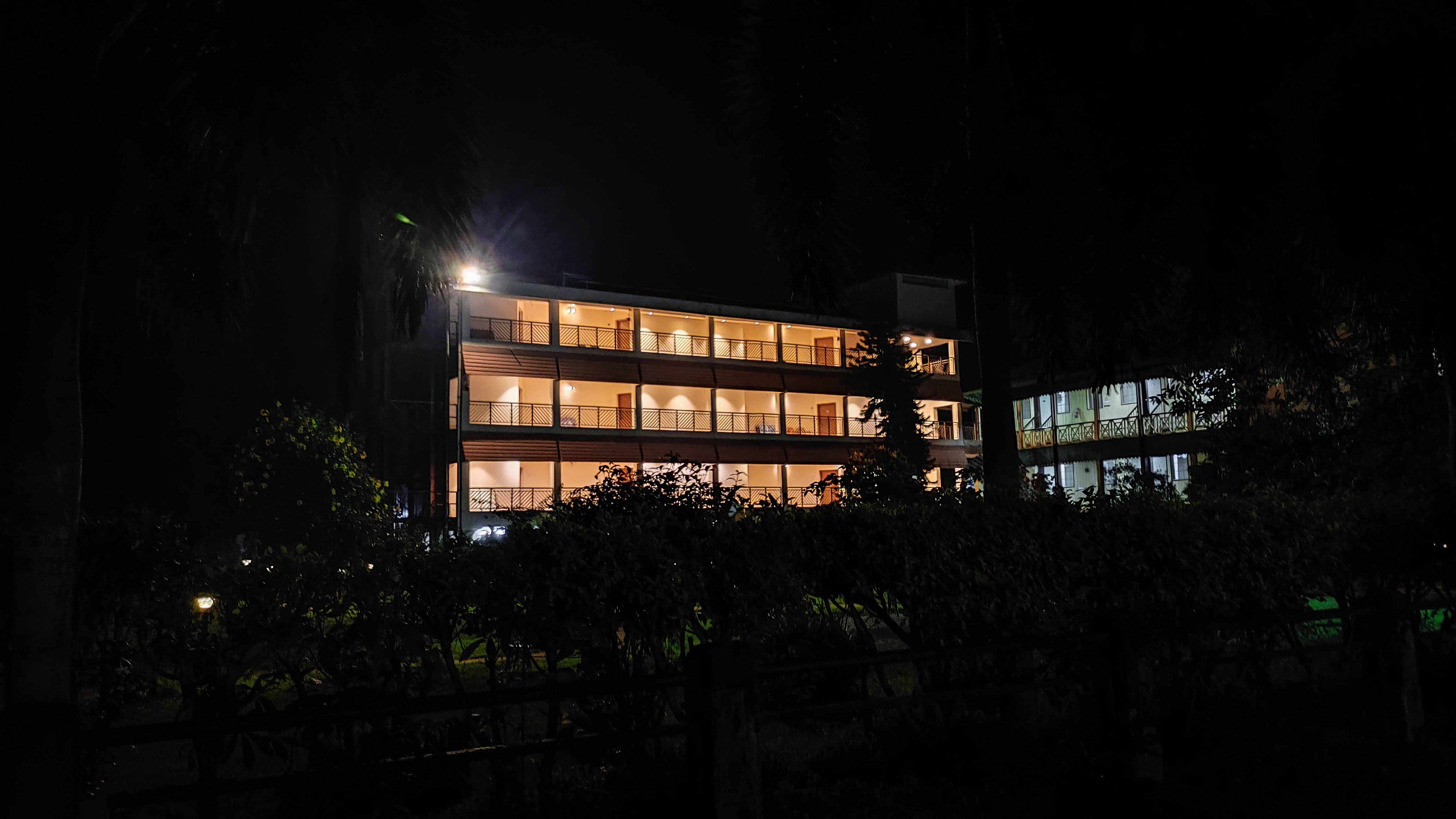
Aranya Tourism Property at Night

 A few introductory posts on Bhutan are already up on my blog (I’ll include the link at the end), so now let’s dive into the main part. I decided to call this segment Day 0 for a reason. Initially, I planned for us to fly in and out of Bhutan. However, while planning, my mom was visiting me in Pune for a few months and didn’t have her passport with her. When I tried to book flight tickets to Paro, I was required to provide our passport details, just like for any other international destination. Additionally, when my tour agency needed to apply for the e-permit, a passport or voter ID card was required. Since I couldn’t obtain my mother’s passport details in time to book the flights and secure the permits, I had to revise my plans.
Originally, we planned to start and end our trip in Paro, as the airport is located there. With that option unavailable, I had to consider traveling by road via Jaigaon/ Phuentsholing. This change meant adding extra days to the itinerary, as the journey from Bagdogra (the nearest airport to Jaigaon) to Thimphu takes 9-10 hours.

As mentioned in my previous blogs, we used the services of Amedewa Tours & Trek for this trip. They are a local Bhutanese company specializing in inbound travel. If you haven’t read the other parts yet, you might wonder why I chose a local Bhutanese company over Indian tour operators who offer Bhutan trips. While Indian tour operators might seem safer, selecting a local Bhutanese operator is also a good option. You just need to do due diligence before choosing any local Bhutanese operators. Every operator is registered under the government, and you can verify the authenticity of your local operator through this link - LINK. As long as they are on this list, they are 100% genuine, and there are no safety concerns. I was particularly impressed with Amedewa's thoroughness and attention to detail. Additionally, its owner, Tashi, is very accommodating and promptly addresses all queries and doubts. Based on my personal experience, Indian tour operators don’t offer as much flexibility. that was another reason for not choosing Indian Tour operators. For such local Bhutana

So having said all this now the plan looked like below:
  • June 7 - Kolkata to Bagdogra ( early morning flight) | Bagdogra to Jaldapara ( Aranya Tourism Property) 
  • June 8 - Jaldapara - Jaigaon/ Phuentsholing - Thimpu
  • June 9 - Thimpu Local sightseeing
  • June 10 - Thimpu to Punakha via Dochula Pass
  • June 11 - Punakha to Phobjika Valley | Back to Punakha
  • June 12 - Punakha to Paro
  • June 13 - Paro to Haa Valley via Chelela Pass
  • June 14 - Paro to Siliguri [ Original plan was - Paro to Hashimara ( Train ) - this plan got changed last moment as we took a flight|
  • June 15 - Siliguri to Kolkata ( early morning flight)
Fortunately, Amedewa arranged for our pickup from Bagdogra to Jaldapara and the drop from Jaldapara to Phuentsholing through a tie-up with an Indian cab provider. While I might have found a slightly cheaper option by researching local cab companies in Siliguri, I preferred not to haggle with a new company just to save Rs 1000. So, I entrusted this task to Amedewa. I must mention that all the cars they provided were in excellent condition.

The first step in realizing this trip was my journey from Pune to Kolkata. Notably, June 1st (Saturday) was election day in Kolkata, so to avoid any potential trouble, I decided to travel on the next day, June 2nd. Mom had already returned to Kolkata a fortnight earlier, so it was just me flying to Kolkata that day. The biggest challenge with the Pune to Kolkata flight is that there is only one direct flight, which is very early in the morning, requiring an early wake-up. For those wondering about the safety of traveling to Kolkata right after election day, I can assure you that I didn’t face any challenges. The cabs were available as usual. The best part of travelling on the next day of election was that the usual Sunday market which i have to cross to reach home, was absolutely deserted and that reduced my travel time largely.

After five more days, our travel day finally arrived. We had arranged for a known cab driver to take us to the airport. Our day began at 6:45 AM on a Friday morning as we set off from our home in Dumdum. Despite living just 20 minutes away from Netaji Subhash Chandra Bose International Airport, we aimed to arrive early to ensure a smooth check-in process. 


Kolkata Airport

Since it was early morning, there was practically no traffic on the road. We had already scanned our boarding passes into DigiYatra. DigiYatra is incredibly useful for bypassing queues at airports that have it enabled. Fortunately for us, both Pune and Kolkata have DigiYatra enabled. 

This allowed us to go directly to the DigiYatra gates, scan the generated QR code, and verify our identity without needing to show a separate ID card. DigiYatra also provides separate entries at the security queue, reducing wait time significantly. I 100% recommend using DigiYatra for all your travels.

After bypassing the queue at entrance we still had to wait some time in the baggage drop queue. Next was security check in. This is one area I particular do not like because I carry quite a few electronic gadgets and to take them out in separate trays and again collect them after scanning is a lot of hassle. The best way to manage is to have the devices and accessories placed in either transparent pouches or individual organizers  like a small camera bag). This way you don't have to pull out each and every gadget every single time. Security check in was also non eventful and it got done in a jiffy. 

Then we walked towards our gates. On way we stopped at WHSmith to check out books. This is almost like a mandatory ritual for me. No matter which airport I am, I will definitely stop at the book store and do a quick survey. In case I find something interesting to read on the way, I will grab it. Since my mom is also a book lover so both of us can not resist the urge to visit these book stores whether we buy or not.


Since it was early morning, most of the shops inside the airport were still closed. We hadn't eaten anything before we left home so both of us were feeling a tad hungry. I do not remember which shop it was, but I got something which had a very unique name —fish kasundi patties. Never have I ever heard about such a thing. So I thought why not, trips are always the best time to experiment as you are already in a good mood. Along with that I also got a chicken patties, while my mom got machine made tea. Unfortunately, none of these tasted particularly good. The fish kasundi was a perfect disaster, none of the flavors went along with the pastry crust, it was like some hotchpotch of various flavors thrown in together.  The chicken patties were also not fresh. Mom complained the tea was rather watery and I couldn't agree more. All 300 odd bucks spent was totally a waste. 

Soon we were called for boarding. while we were in Zone 2, we were the last to be summoned for the gates. As the aircraft taxied down the runway, the engines roared to life, and we felt the thrilling anticipation of our upcoming adventure. As we ascended, the sprawling cityscape of Kolkata gradually unfolded beneath us. The vast expanse of Kolkata’s skyline transformed into a patchwork of vibrant colors and textures. The feeling of soaring above the clouds, with the promise of new adventures ahead, was a perfect start to our journey. 

The aerial distance between Kolkata and Bagdogra is approximately 280 miles. Flying with Indigo, the journey took around 1 hour and 15 minutes to complete. Stepping into Bagdogra after what appeared like a million years, it felt great. So many things had changed. The taxi stand had now got permanent structures and everything was much more streamlined now. We collected our luggage and made way to the exit where our driver was already waiting for us. 

The weather in Siliguri was something I didn't expect. It was reported the week before that north Bengal was getting a lot of pre-monsoon showers so I was expecting a better and pleasant whether in Siliguri compared to Kolkata. This is where the major disappointment was - the weather was as humid and uncomfortable as it was in Kolkata. 

The distance from Bagdogra to Jaldapara is approximately 135 km. We would travel primarily via NH 27, then onto NH 517 and NH 17, reaching our destination in about 3.5 hours. After a 9-10 year hiatus, traveling through North Bengal felt incredibly refreshing even if the outside weather was bad. The only thing - we had to keep the windows closed and the air conditioning on throughout the journey.

We made a stop at Jaldapara before continuing to Bhutan, as we had a 5-6 hour journey to Thimpu the next day. Additionally, we wanted to spend some quality time in the Dooars to enjoy the forest.  Like I mentioned we were coming back to North Bengal after so many years and there is a definite nostalgia we have about this place. So when we got the opportunity of staying one day somewhere near the border area, it was by default North Bengal. Let me mention one more thing over here, staying in Jaigaon instead of Jaldapara/ hashimara is definitely more convenient logistics wise as the next day your travel time decreases but the challenge is finding a good hotel in Jaigaon area. Most of the hotels there are lodges, 1 star or max 2 star properties and when you are with family you want to stay in a decent place, especially since we were a all ladies group. The other option is to stay overnight in Phuentsholing, which would mean you pay additional SDF for one day as you will be staying overnight. 

There was one more option of stay which would pop up the moment you look up for Hashimara/ Jaldapara stays - Jungle book resort. But i went through the reviews which said they often have parties in their premises which is not something I appreciate when you are inside a forest. Hence we chose the WB tourism property over the private resort.

Finally the most awaited moment arrived when the landscape unfolded into endless stretches of tea gardens, each one appearing lush and vibrant. They were blanketed in a fresh, dewy sheen due to the recent rains, making the entire scene look almost surreal. British planters were the pioneers of tea cultivation in the Dooars and the adjacent Terai region. Today, Dooars Tea retains its British heritage and is regarded as one of the most exquisite tea varieties in the country.

Dooars Tea Gardens
Dooars Tea Gardens


We arrived at the beautiful hidden gem, Aranya Tourism Property, at 1:30 PM. This property is managed by West Bengal Tourism. While entering into teh property suddenly an old memory got rekindled and my mother reminded me that we have been to this property earlier as well when we had done a North Bengal Trip some 10-12 years ago. And surely enough when I googled it told me that earlier this place was known as Jaldapara tourist Lodge which was rebranded as Aranya Tourism property.

The check -In process was smooth. They already had our details, we just had to provide our ID cards ( as mentioned during reservation) and they took a photocopy of them. Once we completed the check-in formalities, we headed to our rooms in the newly constructed brick block of the property. There are three categories of rooms/ blocks in this property ( detailed tariff is given at the end of the blog):
  • Wooden block ( Old construction & most economic)
  • Cottages & suites ( Old construction, suitable for medium sized families)
  • Brick Block ( New construction with all modern amenities)
The brick block is slightly more expensive than the wooden block. The brick block is situated just adjacent to the wooden block and there is a flight of stairs which connects both the blocks. Just like the wooden block, the brick block is also having 3 floors. Something you should note here however is that this property doesn't have any lifts. So if you have anyone in the group with a mobility problem or a senior citizen, choose either the ground or first floor. We chose the first floor which would give us decent height and view of the forest and at the same time not too many stairs to climb. The property had someone carry our luggage to our rooms. 

I was impressed with the room quality, which rivals with any 4-star hotel. At first look you wouldn't even feel this is a government property. Kudos to Didi to really spruce up the tourism game.  The room is very spacious and chic. It has a number of amenities including flatscreen TV, AC, electric kettle and tea/coffee station, sofa, center table, a large double bed with enough pillows and surprise surprise two Kolbalish/ pashbalish (load pillows) for the Kolbalish loving Bengalis!  Each room also has an attached balcony offering a beautiful view of Jaldapara National Park. There is additional chairs and table in the balcony for you to enjoy the view and relax. There is a big cupboard which has extra pillows and blankets. You can use this to keep your belongings. There is a separate wooden table to keep your luggage.  The bathroom features sleek, modern fittings that exude both style and functionality. Soft, ambient lighting completes the look, creating a relaxing and luxurious atmosphere.

Aranya Tourism Property, jaldapara

Aranya Tourism Property, jaldapara


It was already lunch time and we were like super duper hungry. After a quick shower we headed for lunch at the in-house restaurant. The temperature outside was super humid and hot. Thankfully the restaurant area is completely AC. It has big glass windows which makes sure you can enjoy the surrounding view while you dine in. 

I think because it was almost at the end of the lunch hour the restaurant wasn't much crowded. We found a nice table by the window and settled down. I had heard a lot about the food quality improvement in all teh WB tourism property from different Vloggers, so I was eagerly looking forward to try the food. We were presented with the menu which had a lot of items listed both under Ala carte and Thali menus. We opted for thalis - the simple reason being - taste maximum dishes on the menu. I selected the mutton thali and for mom it was chicken thali. I also keep hearing about the famous Boroli fish of this region and was super happy to see it on the menu. My mistake was to not notice that there were two different preparation of Boroli fish - simple fry and curry. I just said Boroli fish one plate to the waiter who also didn't bother to check with us which version we wanted. 

Aranya Tourism Property - Boroli Fish Curry
Boroli Fish Curry

Mutton Thali Aranya Tourism Property
Mutton Thali


There was a lot of food in the thalis. The mutton thali came with - rice, mutton curry (2 pieces), aloo fry, bhindi aloo subzi, daal, papad, salad, chutney and rashogolla. In the chicken thali the mutton was replaced with chicken gravy. The boroli fish was served in a curry format which I really didn't want, I had visualized a super crunchy fried Boroli plate. But since it was already served and partly it was a miss form my side as well, we didn't send it back. Coming to the food, the best things I liked in the thali was aloo bhaja, bhindi subzi, daal and the chutney. The aloo bhaja and daal combo was super. But mutton was a let down. Nothing special there. Chicken was also average. The Boroli fish itself was fresh but putting it in a curry format wasn't working well. The ginger garlic wasn't sauteed well hence there was a raw smell of that in the gravy and it didn't taste nice. My first experience of having Boroli wasn't that great. I thought maybe for dinner I will again give it a try with fried Boroli. But good thing is, the taste of everything is very homely not like some hotel, so its light on the tummy. 

After having a good meal, we decided to take a walk around the property. Along the way, we came across a painted map of Dooars that highlighted all the key places in and around the area. It was pretty interesting as we could spot some of the places where we have already visited.

Then we walked towards the beautifully manicured garden. The garden is really pretty filled with a variety of beautiful plants and flowers. The standalone cottages are situated around the garden's perimeter and they each have a name of a bird found in the forests of Jaldapara. Me and mom were the only two souls in the garden at that time, as I believe most of the tourists were either out for sightseeing or enjoying their afternoon siesta in the AC. If you're staying here for a few days, it's highly recommended to spend time in the garden, either relaxing with a book or simply soaking in the natural beauty. The safari booking office for Jaldapara is conveniently located right next to the resort, offering a significant advantage.

After spending some more time in the garden taking in the views, we decided to get some rest. After a nice and relaxing nap we ordered some tea and biscuits in the evening. We were still full from the lunch so didn't want to have much in snacks. We wanted to enjoy our tea in the balcony, but it was too hot and humid outside. So, after finishing our tea indoors, we stepped out onto the balcony. The sun was setting, and the forest was gradually coming to life. In the background, we could hear the sounds of beetles ( sound like bells) and peacocks. The call of the peacocks is a very unique experience for city dwellers. The peacock's call is a distinctive and resonant sound almost echoes through the forest. It begins with a series of loud, high-pitched cries that resemble a combination of a honk and a yelp, often described as "kee-ow, kee-ow." The call can be heard over long distances, piercing through the ambient noise of the jungle. 
Evening Tea

Since the humidity was a killer outside so we had to move back into the room. We spent some time browsing our phones and having a nice chit chat. Since I knew that from next day onwards getting a network might become a challenge so the urge of taking in social media was eminent. But we did have a nice adda also along with it. Especially the hot topic of teh day was Kangana Ranaut getting slapped by a security guard and the aftermath of it. In between I also took a backup of my photo and video dump from the day. This is an activity which takes a lot of time during my travels, but at the same time its something which has to be done.

The restaurant called and informed us about the dinner timings. So around 8 PM we decided to step out for dinner. I checked the current temperature and it showed 28 degrees outside. But I think the real feel was somewhere above 30s. It really didn't feel like we were so near to the mountains. 

This time, we took the scenic route to the restaurant, walking along the backside of our room and through the main garden. The cottages were beautifully lit, looking quite enchanting in the dark. The property has I think 3 garden areas. The one in front of the brick block has many stone statues of wild  animals found in the Jaldapara region. And those statues are so lifelike especially the slithering snakes hidden in the grasses, that it may give you a scare if you are not aware those are just sculptures! There is one small garden in the back of the brick block which opens to the Jaldapara national park, the view that we see from our balconies in brick block. And the third and biggest garden is the main garden which is surrounded by the cottages. 

Aranya Tourism Property, jaldapara


Aranya Tourism Property, jaldapara
Brick Block - Our room was on the first floor

I really appreciated the fact that the property used subtle lighting, which didn't cause any inconvenience to the guests at the same time ensured that the wildlife wasn't disturbed. In fact, it truly felt like we were standing inside the heart of the forest, surrounded by wildlife. The silence, punctuated by the sound of the night critters was was the most soothing music I had heard in a long time.

We walked along the backside of the wooden block towards the entrance gate. We could totally immerse in the silence all around. And that is one of the best things about this property. The lighting at the gate however was a different story - they had purple and green string lights which didn't really go with the aesthetics of the place but I think we can discount it as they had to put up something at the entrance to make it distinguishable if any tourist is coming at night. 

Aranya Tourism Property
Entrance Gate at Night

There is a liquor shop in the premise for those interested. I think we saw a few locals purchasing liquor form that shop. There is also a small outlet in the property that sells wood carved artifacts. You can purchase some souvenir if you want from that place.  

Aranya Tourism Property, jaldapara
Wooden Artifacts on Sale

There is an interesting thing right outside the gate of the property - a rickety old wooden bridge that connects the area coming form the main road with this property. We could see traces of a river below the bridge, but at that moment it was all dried up. Maybe when its full monsoon time the river comes to life. My adventurous spirit longed to walk across the bridge and explore the area at night. However, the locals advised us not to venture too far, as we were inside a forest zone. 

We spent a considerable amount of time by the bridge, watching jeeps and motorcycles pass by. Each time a vehicle crossed, the bridge creaked in a way that made me fear it might give in, but it held up surprisingly well. There was an ominous, mystic vibe to the bridge, reminiscent of a scene from a ghost or thriller movie, as if something extraordinary was about to unfold. My brain went on an overdrive thinking about all the possibilities!

After spending some more time outside, we headed to dinner. This time, we both opted for the vegetarian thali as we were not that hungry. I also ordered a Katla fish fry on the side. The same alu fry and chutney was repeated in the thali. Apart from that we had a paneer subzi, cauliflower subzi, a different daal, salad, papad and, rashogolla. Veg thali was good but still the bhindi subzi they had served in lunch tasted much better. The katla fish was fresh and tasty. Since it was hot, we also took some packaged litchi drink ( paperboat) along with our meal. The restaurant has a corner where you can choose anything from the available packaged drinks at an additional cost. 

Aranya Tourism Property, jaldapara
Dinner Thali

Aranya Tourism Property, jaldapara
Reception Area

Aranya Tourism Property, jaldapara

We also informed one of the servers in the restaurant that we would need our breakfasts to be packed next day as we would be leaving quite early.

After finishing dinner, we headed to the reception outside the restaurant. Since we planned to check out by 7:30 AM the next day, we wanted to complete the checkout formalities that night. The receptionists, dressed in beautiful sarees as their uniform, added a touch of elegance to the experience, these small things make the overall experience a notch above any regular government properties. The lady at the desk handed me the final invoice, and I noticed a 12% GST added to the room tariff. I was a bit confused, and it seemed another group at the counter for their checkout formalities felt the same. The receptionist clarified that the online room booking charges didn't include the 12% GST. She pointed out that this was mentioned in the booking printout. The rationale was that if you didn't show up at the property, you wouldn't need to pay the GST amount; you would only pay for the room, which could be refunded according to the policy.

While returning back to the room we again took the long scenic route along the main garden area just soaking in the sights and sound of the beautiful night. In the morning I hadn't noticed, but they had a few lamps with little  pug marks and they looked very cute in the night. 

There was a peaceful silence all around. At one point the only sound we could hear was the crickets and I recorded that. You can check it out in the video linked below. 
Aranya Tourism Property, jaldapara
Sculptures of Animals at the entrance

Aranya Tourism Property, jaldapara
Wooden Block seen from the park

Aranya Tourism Property, jaldapara
Cottages

Aranya Tourism Property, jaldapara
Wooden Block seen form the park

Aranya Tourism Property, jaldapara
The Third garden which had life size animal sculptures

We came back to the room and arranged all our luggage, next morning we wouldn't get time for packing. I put all my gadgets on charging and called it a day soon afterwards.

The simplicity and beauty of the forest stay at Aranya Tourism Property , with its unfiltered sounds and sights, provided a rare escape into a world where nature's rhythms set the pace, leaving us rejuvenated and inspired. 

Stay tuned for the next part.

Day 0 - Trip Video:


Room Tariff as mentioned below ( as of Date 3rd August 2024, check the website for booking)

All Tariffs mentioned excludes 12% GST, so for final cost add 12% GST on top of the mentioned tariff

  • A.C Cottage - Rs 3500 | Guest Capacity: 2 (Adult) , 2 (Child)
  • A.C Cottage Large - Rs 4000 | Guest Capacity: 2 (Adult) , 2 (Child)
  • A.C Suite - Rs 3700 | Guest Capacity: 2 (Adult) , 2 (Child)
  • AC Dlx Brick Block (IIIrd Floor) - Rs 3000 (new block) | Guest Capacity: 2 (Adult) , 2 (Child)
  • AC Dlx Brick Block (IInd Floor) - Rs 3000 (new block) | Guest Capacity: 2 (Adult) , 2 (Child)
  • AC Dlx Brick Block (Ist Floor) - Rs 3000 (new block) | Guest Capacity: 2 (Adult) , 2 (Child)
  • AC Dlx Wooden Block (IInd Floor) - Rs 2800 ( Old block) | Guest Capacity: 2 (Adult) ,2 (Child)
  • AC Dlx Wooden Block (Ist Floor) - Rs 2800 (Old block) | Guest Capacity: 2 (Adult) , 2 (Child)
Other Blogs in the Bhutan Series:
  1.  Bhutan Diaries 2024 - A preamble | Tips & Recommendation | Helpful Information 
  2. Things you didn't know about Bhutan
  3. What to Pack for Bhutan | Summer Trip  - June | Thimpu - Punakha - Phobjika - Paro
  4. Bhutan Travel Diary - Day 0 - Kolkata to Jaldapara | Aranya Tourism Property Jaldapara 

Share
Tweet
Share
No comments
Iskon Mayapur, Radha Madhav, TOVP
Radha Madhav during Pushya Abhishek on 6th Jan 2023

First of all wish you a very happy new year. I have been away from blogging for a while now as I was visiting my hometown Kolkata and wanted to take things a bit slow and enjoy my time here. There are a couple of places I visited while I am in my hometown and will write one by one about them. One of the places I visited in the very first weekend of 2023 was Iskon Mayapur. This was on my bucket list for long as I had really enjoyed visiting the Iskon temples in Mumbai and Pune. So the beginning of the new year felt like a perfect time to visit this holy place. 

Though one needs to hardly do any planning for visiting the other Iskon temples, for Mayapur you need to have a proper plan in place if you want to get the complete essence of the place, especially if you are visiting Mayapur for the very first time like me. I read a lot of blogs, went through a number of videos to create a detailed plan and schedule of my travel. And you will know why planning is crucial once you go through all the details I have given below. Also I thought it would be good to make a complete summary of the travel plan so that anyone planning to visit Mayapur finds it easy to plan themselves. 

If you are visiting for the first time I would recommend you to stay for at least a night so that your itinerary is not very hurried and you can cover everything at a relaxed pace. I will be talking in details about the overall Mayapur experience in my next blog where we also covered Ghurni and Krishnanagar Rajbari on our way back. This post is mainly for capturing the entire details of Iskon Mayapur which will help you plan your trip. We visited Iskon Mayapur in the first weekend of January 2023, so all the details mentioned below are as per current information.

1. Where to Stay: 

Iskon has several stay options with various tariff ranges, within the campus itself. And without a doubt these are the best options for you, as everything will be within walking distance. Some of the most popular stay options inside the campus are (Rates are as of January 2023):

Name Cost Remarks
Gada Bhavan Rs 500- Rs 5000 Most popular
Chaitanya Bhavan Rs 500 – Rs 1900 Situated in the Brahmachari kitchen
Conch Bhavan Rs 1500 – Rs 6000 Beside Sri Sri Radha Madhab Mandir, most expensive
Gita Bhavan Rs 400 Rupees – Rs 3000 Far away from main campus
Vamsi Bhavan Free for Life Members Beside Ishodyan Bhavan
Isodyan Bhavan Rs 1000 Rupees - Rs 3000 Newest Building, excellent condition, lift present, ICICI ATM, Ample parking space
Namhatta Bhavan 1 and 2 Rs 600- Rs 2500 Right beside the entry gate
Gauranga Kutir Rs 150 Shared bathroom, Cheapest Accommodation
Nityananda Kutir Starts from 300 Rupees Brick rooms, shared toilet
Sruti Bhavan specially made for youth and students
Gour Nitai Dharmashala Starts from Rs 150 Shared bathroom, Location Besides Namhatta Bhavan

The bhavans are maintained very nicely so the condition of the rooms is pretty good. You can book these bhavans online, but at the same time they don’t make all the bhavans available for online booking. 
Booking link: Click Here 

Or else you can go directly to any of these bhavans and try to get a room. I would not recommend that, as mostly the rooms get completely booked weeks in advance. So, if you are travelling with a family or aged folks, it is always better to pre-book.


2. Documents Needed & Bhavan Rules
  • Single traveler is not allowed to stay (They will call you to confirm if on the booking they see 1 Adult mentioned)
  • Visitors must carry a valid government photo ID (Aadhar, Passport, Driving License)
  • No smoking or drinking or any type of intoxication is allowed in the campus (not even milk tea/coffee)
  • Eating or carrying any type of non-vegetarian items inside the campus is strictly forbidden.
  • Playing any mundane music loudly is not allowed within the campus.
  • Married couples must have marriage registration certificate or legally matching IDs with them to avail accommodations
  • Life Member discount is not applicable on online bookings
  • No Pets are allowed inside the campus
  • Check In – 9:00 AM & Check Out – 9:00 AM
3. Dress Code inside Iskon

There is no specific dress code mandated. However, it is advisable to wear modest clothes since it is a religious place. Also dress according to the season. During winter months it gets extremely chilly.

4. Best Season to Visit
Though Mayapur can be visited year long, its recommended to avoid Summers because of the heat and you need to do a lot of walking around the campus. So best season will be from August to March.

5. Best Time of the Week to Visit
Weekends are especially crowded as well as if there is any special religious festival at the campus. So, if you prefer it to be less crowded go on weekdays or Fridays. We went on Friday and came back on Saturday. 
However there is a Elephant procession that happens on Saturday evening, so if you want to attend that, then stay back on Saturday.

6. Mayapur Climate
The hottest month in Mayapur, April, has days with highs of 41°C and lows of 24°C. The coldest month, January has days with highs of 25°C and lows of 8°C. If you are travelling in December or January, make sure to take enough warm clothes, especially puffer jackets/wind cheaters. The night temperature is unusually cold even within the hotel premises. Mayapur receives very heavy rainfall. Although the rain brings the temperature down by a few notches, several areas witness waterlogging during this time.

7. How to Travel from Kolkata
There are a couple of ways to travel to Mayapur.

Train : If you are travelling from Kolkata then you can either choose to board a local train from Sealdah/ Howrah (primary) and/or Dum Dum Junction/ Kolkata (secondary) stations.

  • From Sealdah:  Train ticket Fare Rs 25 per person
    • You need to take a local train to Krishnanagar City Junction. 
    • From outside the station 1st option is to take a direct auto or toto to Mayapur Iskon. This will take about 50 minutes through the highway and would cost around Rs350-Rs400.
    • The 2nd option is to take a shared or direct toto/auto to the Mayapur Ghat. This will cost around Rs 200 (direct) or Rs 60/per person (shared). Time taken around 30 minutes. 
    • Once you reach Mayapur Ghat, you can take a ferry ticket costing Rs 3 per person to cross the river and reach the other side which is called Hulor ghat. It will hardly take 5 mins to cross the river.
    • After that either you walk to the Iskon temple or take a direct/shared toto to the Iskon temple. Total time would be around 40-50 minutes.
    • The 3rd option is to take a direct bus from the Krishnanagar City Jn to Mayapur Iskon temple
  • From Howrah: Train ticket Fare Rs 25 per person
    • You need to take a local train to Nawadip Dham. 
    • From outside the station take a toto/auto to Mayapur Ghat. After that, cross the river in a ferry to reach Hular Ghat at Mayapur. Then either walk to the temple or take a toto/auto to reach the temple.
Bus: WBSTC operates daily 2 buses from Esplanade to Mayapur Iskcon Temple. \It also gives a stop at Airport Gate 1. They go till right inside the campus, beside Vamshi Bhavan Guesthouse.

Booking Website : Click Here

Bus Timings

Car: You can easily access Mayapur by road, which is located at a distance of around 130 km from Kolkata. 
  • Route 1: Kolkata - Ranaghat - Mayapur (fastest)
  • Route 2: Kolkata - Dhaniakhali – Mayapur
Please note the road condition is not that great in many stretches, so travelling by your own car may not be a very comfortable experience.

8. Food
Non-veg items are not allowed inside Iskon Campus. Even milk tea or milk coffee is not available inside. Outside the campus also you will hardly get a handful of places serving non-veg. So come mentally prepared for that. Below are some of the food options:
  • Prasadam: Almost all the bhavans have prasadam options both for lunch and dinner. The cost of prasadam is different for every bhavan. Reach your bhavan before 12 PM to get a confirmed prasadam coupon for lunch. And for dinner you need to get the coupon by 6-6.30 PM.
  • Govindas: Govinda’s restaurant is open from 7:30am. to 9:00pm. It offers different Indian and continental option. Fresh pizza is available during dinner time and south Indian dishes like dosas is available during breakfast hours. Its a relatively pricy place compared to other food joints inside the campus.
  • Radha Madhava's Mahaprasad Restaurant: Here you can get tea, pasta, pizza, cakes, burgers, dosa, idli, ice cream, fruit juices, lunch, Mahaprasad, and many other items. It is very near to Ishodyan Bhavan
  • Santa's Pizzeria - This place serves freshly made pizzas. The reviews are great but we did not have time to visit this place.
  • Small Food stalls: Apart from the restaurants there are small food stalls spread across the campus selling Panipuri, juices, cakes, pastries, momo, masala tea, dosa, vada, water etc. We had panipuri from a stall near Ishodyan bhavan and it was delicious. If you really crave for milk tea the closest counterpart you will get is the masala tea which is milk infused with many herbs and spices. We had this at Karuna Kitchen near Prabhupada Pushpa Samadhi.
9. Facilities within Campus
  • Washrooms: There are many public washrooms across the campus which you can avail at free. 
  • Drinking Water stations: Filtered drinking water booths are located near all main buildings.
  • Shoe Counter : There are designated shoe counters beside all the main temples. You can keep shoe for free. They will give you a sack in which you need to place your shoes and hand it over. Though they do not charge for it, you can give a donation in the donation boxes present in the counter.
  • Baggage Counter : There are a very baggage counters e.g near Govindas, where you can keep your bigger luggage (suitcases etc.) at a modest charge of Rs 10. 
  • Mobile/Camera Counter : Mobiles are not allowed within any of the temples, you can keep your mobile and cameras at the mobile counter for Rs 10.
  • Car/bike Parking : Parking spots are available across the campus at specific places
  • Wifi in rooms (selected bhavans) – We got wifi in rooms in Ishodyan bhavan
  • Grocery Store: There is a grocery store at walking distance from Ishodyan bhavan named Simply Wonderful Grocery Store. 
10. What to see within Iskon Campus

You can refer to the maps image below to see the location of these places inside the campus. 
  • TOVP ( New Chandrodaya temple) [A & B] - The Temple of Vedic Planetarium in West Bengal's Mayapur will be the world's largest temple and scheduled to open to the public in 2025. The temple is being built at an estimated cost of $100 million and can house about 10,000 devotees on each of its floors, where they can sing, pray and dance in front of Lord Krishna.The temple is envisioned by Acharya Prabhupada, who wanted a structure that would spread awareness about Vedic science. Right now its stil in construction phase, but they have a daily tour of the ground floor where you can get an idea of how big a project this is.
  • Sri Sri Radha Madhab Mandir (Old Chandrodaya temple) [C] - This is the main temple. Radha Madhav temple is also known as the Chandrodaya Mandir on the main altar are the presiding deities: the beautiful larger than life size Sri Sri Radha Madhav, surrounded by Their Ashta-sakhis , and Narshimadev, PanchTatva and his Divine Grace A. C Bhaktivedanta is presiding inside the temple in different altars . Once TOVP is ready, the idols will be shifted inside TOVP which is the new Chandrodaya Mandir.
  • Gaushala [D] - The ISKCON Mayapur Goshala is located in the south-east corner of the Mayapur campus. It is a happy home for more than 200 cows, bulls and calves. Here you can touch the cows and feed them specially made laddus. These laddus cannot be bought. You can give any amount of donation in lieu of which you will get some laddus which you can feed the cows. There is also a store at the ground floor where you can relish some of the dairy products and purchase ghee etc.
  • Mayapur Full Dome theater [E] - A few religious movies are shown everyday inside the 360 degree dome and gives a complete immersive experience.
  • Srila Prabhupada Pushpa Samadhi & Museum [F] - A memorial dedicated to the founder of ISKCON, Srila Prabhupada, the Pushpa Samadhi Mandir is one of the most iconic places inside the campus. The complex includes a grand main shrine surrounded by a museum depicting the life of Srila Prabhupada.
  • Bhajan Kutir [G]- When you walk in through the “main gate”, on the immediate left is the straw hut where Srila Prabhupada stayed from 1972 to 1976 while the first main building (the Lotus Building) was built.


11. Temple & Show Timings
  • Sri Sri Radha Madhava temple:
    • Mangala-arati: 4:30am (Temple closed from 5:30AM – 7 AM)
    • Darsana-arati: 7:00am
    • Class on Srimad-Bhagavatam (English and Bengali separately): 8:00am
    • Bhoga Offering : 11:45 AM
    • Bhoga-arati: 12 noon (Temple closed from 1:00PM – 4:00PM)
    • Dhoopa Aarti : 4:00 PM
    • Sandhya-arati: 6:00pm
    • Class on Bhagavad-gita (Bengali): 7:30pm 
    • Shayana Aarti : 8.15 PM (Temple closed from 8:30PM – 4:30AM)
  • Srila Prabhupada’s Pushpa Samadhi Mandir
    • Srila Prabhupada arati: 4:00am
    • Srila Prabhupada Guru Puja : 7:30am
    • Bhoga-arati : 12:15pm
    • Sandhya-arati : 6:00pm
  • Boat Ride on Ganges/ Gaga Aarti : 
    • Ganga boat ride every evening is one of the other main attraction. You can go for these rides to see Ganga aarti, kirtan by the prabhus and triveni sangam darshan. Tickets need to be bought by afternoon. The boat ride starts around 4PM and it a one hour ride.
  • Full Dome Show timings: 
The full dome planetarium theater is a major attraction in Iskon Mayapur. Located close to Govinda’s restaurant on the ISKCON Mayapur campus, it’s twelve meters in diameter, has 108 comfortable inclined theater seats, and features a tilted dome to give audiences a 360-degree immersive experience.
The theater is currently hosting two films. The first, entitled “The Churning,” offers a unique look at the Srimad-Bhagavatam pastime of “Samudra Manthan,” or the churning of the Ocean of Milk by the demigods and demons to produce Amrit, a nectar that would make them invincible. This show utilizes classic paintings from Srila Prabhupada’s books mixed with 3D graphics.

The second film, 9 Steps to Eternity, explores the nine islands of Navadvipa, and the corresponding nine forms of devotional service to the Lord. It uses parallax motion effects against a surreal computer-generated cosmic universe. However when we visited in Jan 2023, the second film show was suspended.

Samudramanthan - The Churning 9 Step eternity (was suspended for time being)
10.10 10.50
11.30 12.10
12.50 13.30
14.10 14.50
15.30 16.10
16.50 17.30
18.10 18.50
19.30 20.10


12. What to see in Mayapur

For local sightseeing of Mayapur Town, one can hire a toto from right outside the campus. A 2 hr tour can cost anything between INR 400-500 (depending on negotiation). Following are some of the places they will take you to: 
  • Chaitanya Mahaprabhu’s birthplace - established by Bhaktivinoda Thakur in 1880s and houses the neem tree under which Prabhu is said to be born as Nimai
  • Chaitanya Math - which is Prabhu’s aunt’s place and has a beautiful pond where one can feed the huge fishes swimming in the pristine water
  • Ballal Dhipi - which holds spectacular ruins of what is known to have been a citadel dating back to the 12th century CE. It is a mound-like structure that spans over 1, 300 square feet and rises to more than 30 feet in height
  • Chand Kazi Samadhi : Chand Kazi was recognized as the magistrate of Nabadwip who went against the Harinam Sankirtana movement in Mayapur and destroyed the mridanga of Srivash Pandit, who was the leader of the Sankritana. He believed in the Islam religion. This Samadhi stands strong to celebrate his turning into a faithful follower of Shree Chaitanya Prabhu.
  • Nabadwip - birthplace of Chaitanya Mahaprabhu there are many religious spots you can visit here. It will take half a day to visit all the spots.

13. What to buy

Within the campus there are many stores where you can buy souvenirs of all varieties—Krishna idols, trinkets, prayer tools, framed photos, bags, idol clothes, flutes, ghee, jewelry, handicrafts and books. Also Mahaprasadam (dry packed prasad) is available in prasadam stalls for purchase. Outside the campus there are many markets where you will get souvenirs, dresses, restaurants, flower shops, fruit shops etc. 


Share
Tweet
Share
No comments

Elephant Falls

Continued from Day 1..

We visited Meghalaya at such a time when tourism was just reopening after the long Covid shutdown. The already beautiful vistas of Meghalaya seemed more untouched with very few tourists around. 

We started Day 2 as decided but almost 30 minutes late than planned time. As mentioned in the previous blog, the plan for the day was that we would split up in 2 groups - 

  • Group 1 would go for the Mawryngkhang Trek. We heard that it takes about 4 -5 hours to complete it and hence once they complete the trek they would join group 2 where ever we were at that point in time.
  • Group 2 would start with Laitlum Canyon, come back to hotel for breakfast, wash and change and then proceed with the local sightseeing.

Group 1 comprised of my cousin and his mother. And the rest four of us were in Group 2. Since I was not part of group 1 hence I do not have a first hand experience of how the overall trek was. However I would jot down some of the overview from what I heard from my cousin and some nice pictures which will give you a glimpse of the terrain in the next blog in this series. 

Laitlum Canyon


Laitlum Canyon:

  • Entry Fee : Rs 50 / group
  • Parking Available : Yes
  • Covid Document Check : No
  • Mask Mandatory: No

From Harish Bali's Meghalaya video and other bloggers videos it was very apparent that Laitlum canyon looks like a paradise if you visit it in the wee hours of the morning in monsoon season. Since we were not visiting during the rains I thought that at least if we can be there by 6 AM we would be able to see some clouds in the valley. Accordingly I told the time to the group and no one seemed to be excited by it. Finally I managed them to all agree that we should be at the spot by 6.30 AM. 

But it turned out to be easier said than done. Group 2 started from the hotel at around 6.15 AM. By that time Group 1 was still waiting for their car. It took us around 30-35 minutes to Laitlum Canyon. We went straight from our hotel following the main road, across the circle crossing the entire market which was looking sleepy. People in Shillong are pretty early risers, we would see joggers and morning walkers as early as 5 AM on the streets, even when the light would not come up. Especially you would see lot of youngsters running on the street in the morning. With almost zero traffic at that hour and good roads with various gradients, its a very good natural cardio that one gets. 

There is something about Meghalaya that makes you wake up early. Maybe because its in further east which brings the dawn pretty early. Or maybe it was the sheer excitement of being able to travel after such a long and trying year made us wake up sharp at 5 AM everyday during those 9 days. I for one, who doesn't wake up before 7 on usual days would beat the alarm every single day! And it gave us so much more time to enjoy the day.


View from the parking space

Walk down the paved path towards the canyon


Landscape keeps changing throughout on the way to Laitlum. From city limits to meadows, low-lying pastures and quaint towns would keep you company. Almost 10 km from our hotel we came across a small village which I believe is known as Smit village. Time stands still here and technology doesn't seem to have permeated yet into the lives of these simple villagers. Traditional Khasi houses, wicker fences, fields of crops, little children playing on the road (because hardly there were any vehicles on the road apart form our car at that time), ladies and men pushing a unique looking trolley to carry water and other amenities. We even saw a small boy pushing a trolley with water. Since it was a Sunday and a Mass day so we also saw many Khasi villagers dressed up in their traditional attire walking towards the village church with their kids tagging along.

If you love the virgin air of early morning and like to get lost among the vastness of nature then definitely visit Laitlum canyon. This beautiful untouched secret of a place lies about 30 km from Shillong. Laitlum Canyons literally translates to “end of hills” and it does justice to its name. A paved concrete way leads you on towards the canyon.


Once you reach there you will see there is a designated parking space for the cars and bikes. We got out of the car as our driver found a parking spot. The first feel was - this is what infinity would look like! We couldn't see the vantage view of canyons from the parking, but we could already feel the boundlessness. The view form this side looks very pretty with undulating layers of hills covered in greens waking up to the sun. As we started walking towards the main area we saw the hill top is a vast area surrounded by fields and meadows, with just a couple of houses/tea-snacks shop on top of the hill.

While driving to Laitlum, our driver had shared a lot of stories about his film shooting crew experience at this place. He told us about the time Rock On 2 crew was here and shooting on the canyons. he also told that recently Ayushman Khurana was here for a month shooting for his upcoming film. He used to take him in his car to Laitlum and other places. After hearing this story I again checked out which part of Rock On was shot here as I had not watched the part 2. It seemed they had created a stage on the edge of the canyon for a song shoot. Frankly speaking once I knew it was shot here it felt oxymoronic. I could not believe such a concert stage tearing through the tranquility of this place which was the main asset. 

We kept walking towards the canyon, it was like a 2-3 minute walk. As expected by the time we reached there was not even a spot of cloud anywhere. The sun was high in the sky and the grassland looked more yellowish at this time of the year. I could only imagine how pretty it might look during the rains with lush green rolling grasslands.

Laitlum Canyon is also known as the amphitheater of Meghalaya and rightly so. You feel like crying out - "I am on the top of the world!" once you reach the ledge of the canyon. The breathtaking gorges and steep winding stairways that snake their way down to the lush valley makes you feel like a speckle in the landscape. You feel miniscule taking in the all encompassing nature around.   There is a small viewpoint created at short gaps where you can stand and have a look down the deep valleys and gorges. You can see a serpentine silver river snaking through the forest land below. Though the sun was up it was very windy and cold. We saw a few families had got some food and tea and were enjoying their food on the grassland. There were cleaning ladies deployed as far as our eyes could reach to pick up stray litters. It is really impressive to see how cautiously the people in Meghalaya maintain the cleanliness of the places everywhere and not just at the 'Asia's cleanest village - Mawlynnong'. 


We learnt that a long, narrow  and steep flight of stone stairs snake through the edge of the Laitlum canyon to the tiny hamlet of Rasong. It is the only route form this village to the nearest market, has almost 3000 stairs and takes almost 5 hours for the hike. There is a rope rope-way from the top to the village, which supplies the urgent needs to the village. It is only meant for goods transportation and not human.

While my mother and granny waited at one of the viewpoints, me and my uncle made way along the fenced ledge deeper into the canyon grassland. I must say even though it looks pretty flat at a glance but it is not so. There are places where you need to cross some kind of a thin stream and it can become tricky. Also the land is very uneven at places and if you are not used to hiking, you might even feel shortness of breath after a while. This especially happens when the weather is cold and you struggle to breath in the cold air during a brisk walk. We kept going for some time and saw a patch of potato plants. I never knew how a potato plant looks but my uncle being a specialist in this area pointed out to me to take a note of those pretty plants. We had been seeing them even on our way towards Laitlum at many places. Small plants with pretty white flowers planted in rows very abruptly in a patch on the grassland. have a look at these pretty things below in the photo series. 


Potato Flower

Potato Plants
Potato Farming Patch

Village of Rasong at max zoon form my camera
A playground (?) beside the village


We spent some more time navigating through the terrain until we decided to walk back. We had a packed itinerary today and wanted to be back to our hotel by breakfast time. After getting some more pretty photos of the place we left for our hotel. On our way back we saw a group of bikers coming towards the canyon. The group even had lady bikers. Some more construction was happening at one side of the canyon and it seemed they were coming up with some staying options and washroom facility. 

Tips: 

  • Visit the canyon as early as possible in the morning e.g. 5 AM to view the sleeping clouds or before 5 PM when the clouds again start settling down in the valley
  • This place is best visited during the monsoon when it is stunning in green
  • If you are carrying snacks or food, do not litter the grounds. There are trash bins placed at places, put your trash in designated bins only


We reached our hotel and decided to meet directly at the breakfast table. We had got information that the other group had already begun their trek to Mawryngkhang and almost half way done. So we anticipated they would be able to meet us pretty soon at some of the next viewpoint we were planning to go to.

The breakfast was served at the rooftop restaurant in Poinisukh. It was a buffet breakfast comprising of the very standard menu like - breads, sandwiches, fruits, cakes, tea/coffee, eggs, puri - subzi and some south Indian options like vada, idlis and chutneys. Unfortunately by the time we reached the place the previous group had already wiped the vadas clean and the hotel informed that they would not be repeating the vadas. I felt the south Indian menu was the best in the whole spread. We finished a nice breakfast and then headed for our next destination. The plan for the day was to do as many local sightseeing as possible. The original plan was like the below: 

  • Elephant falls
  • Umiam Lake
  • Shillong View Point
  • Don bosco museum
  • Bara Bazar & Police Bazar
  • Churches of Shillong

However we had already done Umiam lake the day before. So that was out. And as expected, our driver intervened in deciding the locations. He said Shillong view point was closed due to covid restrictions ( we didn't argue with him because there was no point). After this I simply submitted to his judgement and let him plan the day for us. The first place he took us was the Mary Help of Christians Cathedral. 


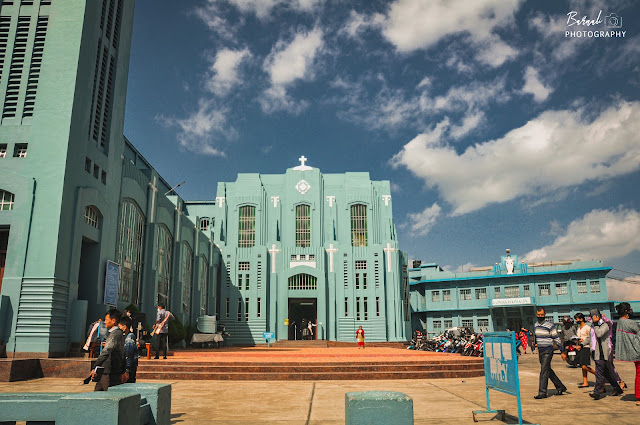
Mary Help of Christians Cathedral (both levels)
Mary Help of Christians Cathedral
  • Entry Fee : Free
  • Parking Available : Yes (There is a designated parking space inside the church premise at the first floor). However since we were only spending a short time here, we parked our car on the road itself (pretty empty at that time of the day)
  • Covid Document Check : No
  • Mask Mandatory: No

The first few things you notice about the church is the pretty powder blue color, Gothic style of architecture and how huge the place is. This church is located in the Laitumkhrah itself and was like a 5 minute drive from our hotel. This is a Roman Catholic Church and also known as the Cathedral Catholic Church. Dedicated to mother Mary, the Cathedral Church of Mary Help of Christians was built by the Germans in 1913. According to history, the construction of the present shrine was built after the first church got destroyed due to a fire accident in 1936. It got the status of a shrine in 1980, on completion of the Catholic Church's 100 years in North East India. This church falls under Roman Catholic Archdiocese of Shillong and is the principal place of worship of about 3,00,000 strong Catholics of Ri Bhoi and East Khasi Hills district of Meghalaya.

The church is built on a sort of high plateau and one has to take a steep short flight of steps or a gradient to reach it. The beautiful church has two levels. Each level had a church. While the lower level is a small chapel that has a prayer hall and is filled with candles and prayer books, the upper level is a huge cathedral with big seating capacity. The upper level church seemed to be for the elite and higher class while the smaller chapel was housing the tribes of this area and less well off class. The church has high arches and stained glass windows which add to its grandeur. 

Second Level - Main Church


Garden in the second level


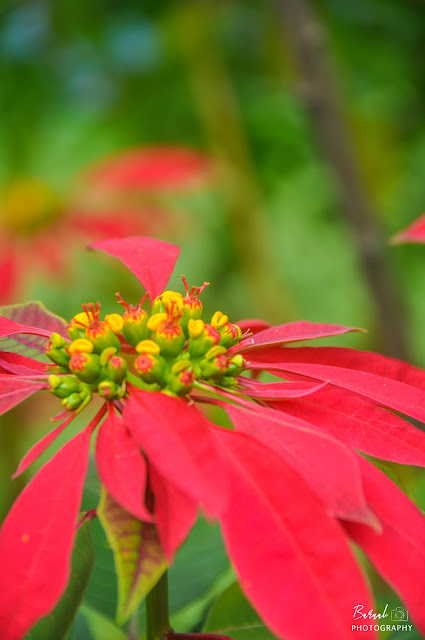
Since it was a Sunday and a mass day, we saw people dressed in their Sunday best waiting in a queue to get into the church. We also saw a board by the entrance to the church which said tourists not allowed inside. Maybe because of it being a mass day, the restrictions on tourist was in force or maybe because of the pandemic the entrance was restricted to outsiders - I am not sure of the reason here. So we didn't try to go in but just walked around. There is a small garden outside where you can sit and enjoy the atmosphere. We could hear the choir inside playing. People were dressed so well it appeared they were here for some high class party. We even saw ladies in LBDs and gents sporting their best suits. The upper level has a huge parking area. There are a few buildings surrounding the parking area, one of which was a bookshop/ souvenir shop. We spent some time in the open area and then headed back. There were beautiful poinsettia blossoming in the garden which added a sharp red contrast to the otherwise muted landscape.

Before getting into the car we heard that the other group has completed their trek and will be heading back soon. We gave them our next coordinate which was going to be Elephant Falls and asked them to directly meet us there.

Poinsettia blossoming in the garden of the Church
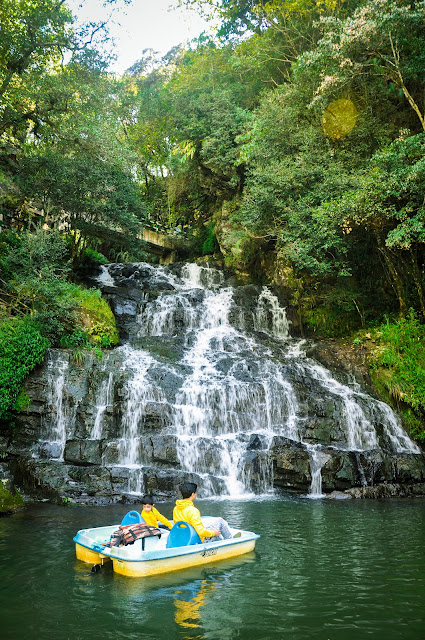
Elephant Falls
Elephant Falls
  • Entry Fee : Rs 100/per person
  • Parking Available : Yes 
  • Covid Document Check : No
  • Mask Mandatory: No
  • Covid Document Check : No

It took us about 30 minutes to reach Elephant falls from the church and falls on the road connecting Shillong to Sohra (Cherrapunji). When you reach the place you can see a number of souvenir shops, small restaurants and a gate with a flight of stairs going down towards the falls. There is ample parking space beside these shops. There is also a pretty tree canopied park behind the parking area which also has a kids play area. 

We started our descent towards the falls following the steps leading down after buying the entry ticket. It cost us Rs 100 per person and seemed kind of steep. But once you see the waterfall you will find it worth the amount. There was a shop at the starting of the stairs which was providing Khasi costumes for tourists who wanted to get themselves clicked in the traditional dress. We saw the kids were looking most excited in the costume because they were also given a fake sword which they were playing with. We passed the shop and headed downwards. The other group from Mawryngkhang Trek was yet to arrive. A man at the entrance to the first level of the falls took our entry ticket and let us enter the place. 

Shillong is especially known for some breathtakingly beautiful waterfalls it has. Out of which, Elephant Falls is the most popular. The fall is not named after the shape of an elephant as one might think, but it is named after an elephant shaped rock discovered here at the base of the waterfall at the last level, which was later destroyed by the 1897 earthquake. The original Khasi name of the waterfall is Ka Kshaid Lai Pateng Khohsiew, which translates to "the three - step waterfall".

Stairs going down towards 2nd level

Traditional Baskets made into litter bins 

The bridge at the second level
Light & Shade on water
Level 2 waterfall

As the name suggests this waterfall has 3 different levels and each level has a different beauty. The third and last level is the most pretty one. We visited on the last day of October and still the falls had good amount of water. I could only imagine how much more prettier it would look during the monsoon. While the first level of the falls can be easily reached by going down about 20-25 steps, the second and the third levels are much more difficult to navigate as the steps are tall and steep. Its almost 100 more steps down to the final level after the first level. Litter bins are available all over the trail so make sure you are not unnecessarily littering the place.

My mother and grandma decided to stop by the first level itself because the later part looked too daunting for them. And it is advisable that people with mobility issues should not go down all three levels because while coming back it would be very taxing. Thus only me and my uncle went down the next two levels. Going down is not that much of an effort. There are bends which is narrow and you need to make way for the people coming up but its a relatively easy climb down. 

3rd level

When you reach the base of the falls it ends in a small pool of water. There is a boating facility available and if you wish you can take a ride for an additional cost. Please note you cannot enjoy a dip in this pool, only boating is allowed. But you can definitely take some Instagram worthy pictures at this spot with the beautiful waterfall in your background. 

You can also see the The Mattilang Amusement Park from the boundary fence of this area. One might be tempted to just cross the fence and walk down to the amusement park but it is not allowed. An incident happened right before our eyes. There were a couple of over enthusiastic gentlemen who can down from the Amusement park side and tried climbing the fence of the Elephant Falls area. But immediately the guard on duty came down and scolded them. It happens that both the properties are maintained by different governing bodies and has separate entry fees so trespassing to either section is forbidden. Elephant falls is government managed while the amusement park is private owned.

Boating at the 3rd level


The climb back was really tedious. While coming down I was in a jacket but while going up I had to take off the jacket because I was sweating after going up some steps. I would recommend take frequent pauses on the way and don't try to climb at one go that will help in preserving your energy. The stairs are rather steep so just take your time to go up. We were completely dehydrated by the time we came to the first level. And I think I guzzled down two small bottles of water myself. By that time the second group - my cousin and aunt had joined us. They spoke very excitedly about their trek. After taking a breather both of them headed down while we rested in the benches around the first level. Once I was hydrated I noticed that probably the first level was the best part to sit and enjoy nature - pleasing waterfall, nice cool breeze and dense forest surrounding us. We also saw the mother-daughter duo at the falls whom we had met near the Umiam Lake on Day 1. 

The best thing about Meghalaya is that there are pay-n-use washroom facility at regular distances along the road as well as in the sightseeing spots. This place also had a pay-n-use washroom facility opposite to the parking area, which was nice and clean. You can also see some hand washing basins outside the washroom. They charged us Rs 10 per person (standard rate across the state at all pay-n-use washrooms).

As mentioned about there were a couple of restaurants around the parking spot which was serving snacks and some hot meals. Since we already had a heavy breakfast we didn't feel much hungry by that time even if it was almost lunch hour. But we saw a good number of people inside enjoying maggi and other Khasi foods. 

Tips:
  • The steps of the stairs are tall so for anyone having joint pain issues, or old people who are not used to trekking should avoid going down all three levels. They can view the falls form the first level and rest in the benches placed there.
  • Since it is quite a steep climb, wear good walking shoes
  • Carry a walking stick, it just works wonders when you climb up. You can at times get these walking sticks on rent from the shops around
  • Carry water bottle with you, its a tiring uphill climb and you will need the hydration
  • There is a provision of aquaguard water inside the entrance of the first level of the waterfall. Fill up your empty bottles at this spot with the naturally chilled mountain water.
  • If you want to purchase some souvenirs then there are souvenir shops near the parking lot.
  • This place has a good pay-and-use washroom facility which charges Rs. 10/pp
  • Tourists can get pictures in traditional Khasi costumes here.
  • If you are visiting in rains , bring your own raincoat/ umbrella or you can rent umbrellas at the shops at the entrance.


Our adventures for Day 2 will be continued in my next Meghalaya blog. Till then stay tuned and if you haven't already checked out the other three blogs in this series do check the links at the end of this blog.

Important Takeaways from this part:

1. If you plan to visit Laitlum Canyon, then make sure you reach there by 5 AM max or come in the evening time just before sunset. 

2. Laitlum feels the best in monsoon.

3. You can also hire local taxis for half or full day sightseeing in and around Shillong.

4.  If you are planning to trek down to the Rasong village, do carry water and snacks as there are no shops around the area.

5. Elephant Falls is a must visit place. Till Level 1 everyone can walk down. Level 2 & 3 are pretty steep and not recommended for people having any kind of mobility issues. Ample seating is available at Level 1, if you want to sit and enjoy.

6. Carry a small bottle of water with you when you walk up and down the levels, you will feel dehydrated with the tedious climb. 

7. Refill your bottles with the aquaguard placed at the entrance of the 1st level. The aquaguard is fed by the mountain water, is super chilly and tastes wonderful. 

8. Wear good shoes, especially if you are going there during the rains. The steps might become slippery.

9. Paddle boating facility available at the 3rd and lowest level of the falls. You are however not allowed to go into the water for a swim.

10. Trash bins are available everywhere in Meghalaya viewpoints, so try not to litter any spot you visit.

11. Pay and use washroom facility is available at Elephant Falls. We did not see a functional washroom at Laitlum.

12. Ample parking space available both at Laitlum and Elephant Falls. 

13. Food/snacks facility is available at both the spots.

14. Mask is mandatorily used within Shillong city limits but in both the viewpoints we didn't see people wearing masks and it was safe. 

To be continued in Next Part 

Other posts in this series:

  • Meghalaya Trip Summary
  • Meghalaya Travelogue - Day 1 (Part 1) - Umroi Airport, Umiam Lake
  • Meghalaya Travelogue - Day 1 (Part 2) - Umiam Lake, Shillong, Laitumkhrah, Police Bazar


Share
Tweet
Share
No comments
Older Posts

About me

I am a software engineer by profession and a writer at heart. Born and brought up in Kharagpur, I moved to the city of dreams Mumbai when I got my first job. Till then I had not cooked a single dish in my life. Not even Maggi or tea. My dad had a strong belief that his little princess never will be in a situation where she had to cook for herself. Hence I was not allowed to spend time in the kitchen till I was studying.


So when I faced the daunting task of living alone, dabbas came to initial rescue. After that I managed a whole year on just boiled vegetables and rice. And then I landed in US. The bounty of fresh produce and cooking ingredients available in the super marts eventually lured me into making my very first meal ever. There was no turning back after that. I finally discovered how much I was in love with cooking and being creative in the kitchen.


This blog is a humble attempt to present our culinary heritage to one and all and document some of the very traditional recipes which gets passed on through generations just by word of mouth.


So just sit back with a cup of tea or coffee and enjoy the curries and the stories related to each.


Follow Us

Footprints

Blog Archive

  • ▼  2026 (3)
    • ▼  January (3)
      • If You Still Feel It
      • A Ten-Second Wind That Took Me Home
      • We Don't Say It Anymore
  • ►  2025 (3)
    • ►  December (1)
    • ►  June (1)
    • ►  February (1)
  • ►  2024 (21)
    • ►  December (2)
    • ►  September (1)
    • ►  August (3)
    • ►  July (4)
    • ►  May (2)
    • ►  April (5)
    • ►  March (3)
    • ►  January (1)
  • ►  2023 (7)
    • ►  December (2)
    • ►  November (1)
    • ►  October (1)
    • ►  May (1)
    • ►  March (1)
    • ►  January (1)
  • ►  2022 (18)
    • ►  September (1)
    • ►  August (2)
    • ►  July (2)
    • ►  June (3)
    • ►  April (1)
    • ►  March (3)
    • ►  February (2)
    • ►  January (4)
  • ►  2021 (60)
    • ►  December (5)
    • ►  October (5)
    • ►  September (5)
    • ►  August (7)
    • ►  July (6)
    • ►  June (5)
    • ►  May (3)
    • ►  April (4)
    • ►  March (6)
    • ►  February (6)
    • ►  January (8)
  • ►  2020 (55)
    • ►  December (5)
    • ►  November (3)
    • ►  October (10)
    • ►  September (7)
    • ►  August (7)
    • ►  July (9)
    • ►  June (3)
    • ►  May (9)
    • ►  March (1)
    • ►  January (1)
  • ►  2019 (3)
    • ►  November (1)
    • ►  April (1)
    • ►  January (1)
  • ►  2018 (1)
    • ►  December (1)
  • ►  2017 (4)
    • ►  December (2)
    • ►  November (1)
    • ►  September (1)
  • ►  2016 (10)
    • ►  August (1)
    • ►  July (2)
    • ►  June (5)
    • ►  April (1)
    • ►  March (1)
  • ►  2015 (10)
    • ►  December (1)
    • ►  August (1)
    • ►  June (1)
    • ►  May (2)
    • ►  April (4)
    • ►  March (1)
  • ►  2014 (22)
    • ►  November (2)
    • ►  August (2)
    • ►  July (3)
    • ►  June (2)
    • ►  May (4)
    • ►  April (3)
    • ►  January (6)
  • ►  2013 (22)
    • ►  November (2)
    • ►  October (4)
    • ►  September (5)
    • ►  August (2)
    • ►  July (1)
    • ►  June (1)
    • ►  May (2)
    • ►  April (1)
    • ►  March (1)
    • ►  February (2)
    • ►  January (1)
  • ►  2012 (31)
    • ►  December (4)
    • ►  October (3)
    • ►  September (8)
    • ►  July (1)
    • ►  June (1)
    • ►  May (14)
  • ►  2010 (9)
    • ►  July (3)
    • ►  June (2)
    • ►  April (1)
    • ►  March (2)
    • ►  February (1)
  • ►  2009 (4)
    • ►  February (2)
    • ►  January (2)

recent posts

Pinterest Board

Popular Posts

  • Champaran Mutton / Ahuna Mutton - A Bihari Delicacy
      When I finish a long week of work, self doubt, frustration of dealing with people and finally when the weekend comes, I feel cooking somet...
  • Khandeshi Kala Masala - Kala Mutton Masala
      25 September Maharashtra is a land of unique local flavours. And still it is mainly known for its Vada Pavs, poha, pav bhaji and modaks. I...
  • Complete Details to plan your ISKON Mayapur Visit
    Radha Madhav during Pushya Abhishek on 6th Jan 2023 First of all wish you a very happy new year. I have been away from blogging for a while ...
  • Macher Bhorta | Fish Bharta | Mach Makha| Bengali Style Mashed Fish
      October 18 Bhortas or bharta as we call it in pan India, are the quintessential Bengali food, a staple in Bangladeshi cuisine. They are th...
  • Green Chilli Thecha || Maharashtrian Hirvi Mirchi Thecha || Green Chilli Salsa
     26 July Though I have been staying in Maharashtra for over a decade now, it was just a couple of years ago I started exploring the local or...
  • Dim Toast | Egg Toast | Dim Pauruti | Savoury French Toast
      April 25 Calcutta or Kolkata. A city known for its food and culture, where hospitality and love are synonymous with lip-smacking grub. Cho...
  • About Slow Travel | Spice2Nuts - a spice initiative by Harish Bali (Visa2Explore)
    Moments from my travels - 1. Forest in Meghalaya 2. An old boat in Shnongpdeng 3. Fish Mint 4. Local Cinnamon  Traveling has always been a p...
  • Varhadi Mutton - A Traditional Vidharba Cuisine
    Varhadi is a dialect of Marathi typically spoken in Vidarbha region of Maharashtra. Vidarbha is the north-eastern region of Maharashtra ...
  • Arabic Chicken Mandi | Smokey Chicken & Rice
      Dec 14 Chicken Mandi has always been on my bucket list. The soft succulent meat pieces soaked in beautiful aromatics, the fragrant long gr...
  • Tangy Sweet Mint Fish | Fish Pudina Recipe | Fish Hariyali
    February 20 I am a hardcore fishiterian..if that's a word. There has been hardly any occurrence where I have tasted a fish and not liked...

Liebster Award

Liebster Award

Very Good Recipes

Very Good Recipes

You can find my recipes on Very Good Recipes

Contact Us

Name

Email *

Message *

Pages

  • Travelogue Index
  • VEGETARIAN RECIPE
  • CHICKEN RECIPES
  • SEAFOOD RECIPES
  • MUTTON RECIPES
  • RICE RECIPES
  • EGG RECIPES
  • DAAL RECIPES
  • ROTI & PARATHA RECIPES
  • BAKING RECIPES
  • SWEET RECIPES
  • SNACKS RECIPES
  • SIDES RECIPES
  • SOUP RECIPES
  • SALAD & BOWLS RECIPES
  • ROASTED RECIPIES
  • JAM & PRESERVE RECIPES
  • BEVERAGE RECIPES
  • SAUCES, SPICES & CURRY BASE RECIPES
  • CHUTNEY & DIPS RECIPES
  • FESTIVE RECIPES
  • Contact Us
  • TRAVELOGUES OF EAST INDIA
  • TRAVELOGUES OF WEST INDIA
  • TRAVELOGUES OF SOUTH INDIA
  • TRAVELOGUES OF NORTH INDIA
  • TRAVELOGUES of ASIA
  • North East Recipe

This Blog is protected by DMCA.com

DMCA.com for Blogger blogs
FOLLOW ME @INSTAGRAM

Curries n Stories © 2020 All rights reserved.
Created with by BeautyTemplates